D.P. 2 (2023) Netflix Series Review | Deserter Pursuit Season 2
Series Review: D.P. (Season 2)
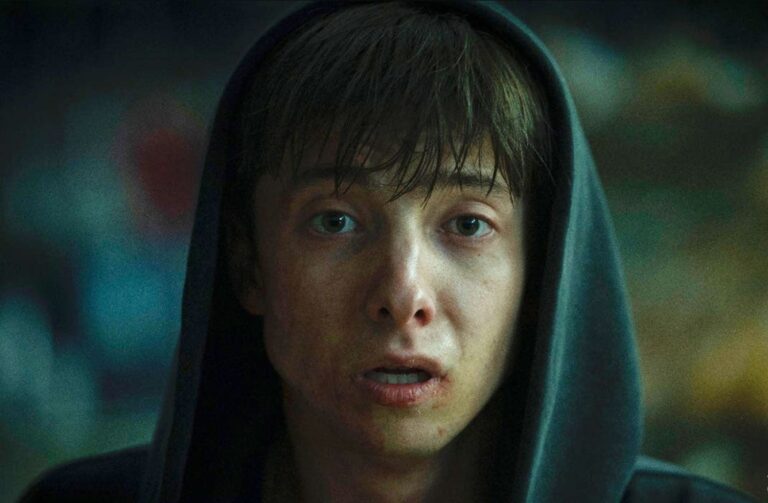
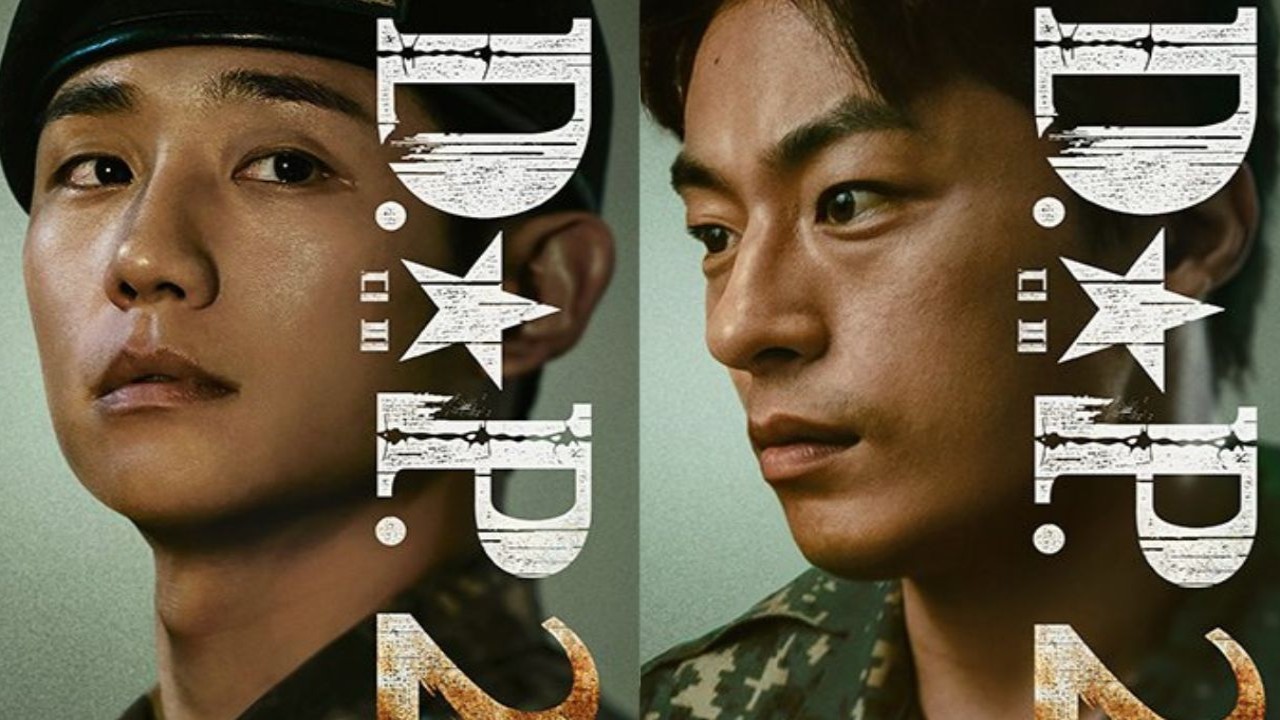
The first season of the Netflix South Korean series D.P. was gripping and intense. Now that we’ve got the second season, does it continue with those tones? Jun-ho and Han of the Deserter Pursuit unit continue to struggle against the harsh realities and injustices that remain unchanged in the Korean compulsory army.
A Dark and Violent Return
This season picks up pretty much right where Season 1 left off. If you haven’t watched that season in a bit, there is a recap that you can watch on Netflix. The opening sequences are harrowing and violent, instantly thrusting us back into the world of the compulsory army. Intimidating is a normalized way of life within a lot of the ranks, and because of that ongoing abuse, the victims lash out in various ways. Sometimes they go AWOL, which then triggers the Deserter Pursuit (D.P.) team to track them down. and then there are still some that take their rage out on their attackers. We get to see a combo of these throughout this season, again leaning into the dark tone that the previous season had.
This is just six episodes, and there are a couple of cases the D.P. take on, but the series also has this larger story arc that’s at play. It is intense and tragic, but mixed within the darkness of the episodes is some camaraderie and even laughs, especially thanks to the pairing of Han and Jun-ho. They began a fantastic dynamic in Season 1, and here it goes to another level. Their friendship takes on new facets because of what they’re facing, and I constantly found myself enjoying their banter—especially because Han is a bit more on the lively and sarcastic side, and it works well against Jun-ho’s more serious demeanor.
Action, Camerawork, and Music
While this sits solidly as a drama, there are a few action sequences that are high-energy and extremely brutal. The choreography and camerawork are immersive and convincing, and there’s this one extended sequence that’s nothing but close-quarters battle. It’s It’s an electrifying sequence. It illustrates how powerful a certain character is, even though they’re often taken for granted and looked down upon.
There was a weirdness, though, to the lens effect during part of that sequence. The center of the frame is still in focus, but everywhere else in the view looks like it’s in kind of a warp—not bending, but just rushing forward. I guess it’s meant to give a sense of momentum, but the scene was already energetic. Maybe they were just trying something new, but it didn’t happen before that scene, and then it didn’t happen after, so its inclusion was a little strange.
Another thing that I really enjoyed in the show is the music. It’s varied both in genre and emotion. There’s one smaller story arc in the third episode that features a very melodic and entrancing musical selection. There’s a montage happening on screen, and the music heavily reinforces what we watch play out surrounding a character. I thought it worked amazingly well.
But it’s not all great or awesome. In that same episode, and then in one of the later episodes too, the music is at odds with what’s happening on screen. The music is whimsical, even goofy, but there’s a violent brawl taking place! It didn’t totally work because of those conflicting emotions. While a lot of the time the music was complementary, this is one area that could have been stronger and more consistent so that it enhanced the visuals rather than working against some of them.
Tension and Character Growth
Because of the cases that are being worked, there is a built-in urgency to all of the plot lines. Deserters need to be tracked down, or evidence needs to be collected, and this time there’s also a deadline that needs to be met. Except the goal line is totally flooded with complications and people who don’t want the objective achieved. The story dives into some of the inner workings of the military and the politics there, especially as it pertains to public perception and government funding and oversight. During these portions, the intensity and the stress of the show just ratchet way up, and there were points where I was kind of holding my breath due to the suspense.
While some of the season deviates away from deserters being pursued, the show isn’t any less engaging and riveting. A lot of this season plays on the idea of family—not just biological ones, but also those that can be considered family through duty, honor, or even friendship. As an American watching, sometimes the emotions appear a little melodramatic, but I think what it really is is expressive and raw. We’re shown people who are pushed to their edge, who then react, and their responses are visceral and heartbreaking.
I continued to be drawn into both Jun-ho and Han, but a few of the other characters began to be way more likable than I thought they were in the first season. For instance, Sergeant Park Beom-gu (and I think that’s how his name is pronounced). He’s the one who oversees the D.P. squad. He doesn’t dress in uniform and he barely tolerates Han’s antics, but there’s also this soft spot that really shines through the season, showing a compassionate side to him as well as a justice-oriented mindset that means he’s going to risk a lot to do what’s right.
Pacing and Storytelling Quirks
The episodes are between 40 minutes and an hour in length, and the pace is typically more on the patient side as the story slowly reveals different elements that show the narrative as a whole. It’s not slow or boring, but because it’s mostly patient, it can seem unevenly paced at times, especially when there are other sequences that are quick and energetic. I was really appreciating how the camera would pause on characters, drawing out their emotions so that we could begin to feel it. Even if no words were being spoken and no action was being taken, a character just standing or sitting and contemplating can be powerful when the shot is allowed to linger on them.
For as much as I loved the story and how it unfolds, some of the ways in which the narrative is laid out felt a little bit confusing or convoluted—more than it needed to be, really. There were moments when I couldn’t tell if something was a flashback, a memory, or if it was happening in the present. The only reason it even mattered was just to place the character in time; the impact of the conversations and the actions was still important and relevant. There’s a scene that involves a singer, and while the story is being told about them, we watch what felt like a flashback. But then in the present, it felt like the flashback could have been happening simultaneously in the timeline rather than actually being a flashback, so it was a bit confusing.
Final Verdict
When the season concludes, we’ve gotten a ton of resolutions and closure on several of the characters, and it feels as though the series could be wrapped up and complete. Unlike Season 1 that ends with a suspenseful action, this one doesn’t do that. There is a mid-credit scene, but it just allows us to see one more interaction that’s meaningful and touching. If the series were to continue, I’m not going to be upset because I really like this, but I’m not sure what the trajectory would be other than to sort of rehash and revisit a lot of the similar story tones of more deserters and the D.P. going after them.
If you’re a fan of Season 1, I think you’re really gonna enjoy Season 2. The stakes are increased in both danger and emotion, diving even more into the problems of Intimidation and abuse that have been showcased to happen amongst the ranks. Jun-ho and Han continue to be standouts, both with their friendship and humor, but also their investigative and problem-solving skills. Their dynamic is inspiring and enthralling, both being nuanced characters that are much deeper than they first appear.
The action is handled well with immersive choreography and camerawork, allowing the audience to be put in the middle of the fray. While the pace is patient and deliberate, the urgency of the narrative keeps the story moving, and it’s coupled with a poignant legal arc that creates nail-biting dramatic suspense. The music can be mismatched to the scenes, and the timelines are sometimes difficult to follow, but the charisma of the lead characters and the intensity of the storyline more than make up for these shortcomings.
Rating: I give D.P. Season 2 4.5 out of 5 couches.
So, have you seen this show yet? If you have, who’s your favorite character? I thought mine was Jun-ho, but Han became mine this season. Let me know yours in the comments below!